Why Small Residential Care Models Make a Big Difference
When it comes to residential care, bigger isn’t always better.
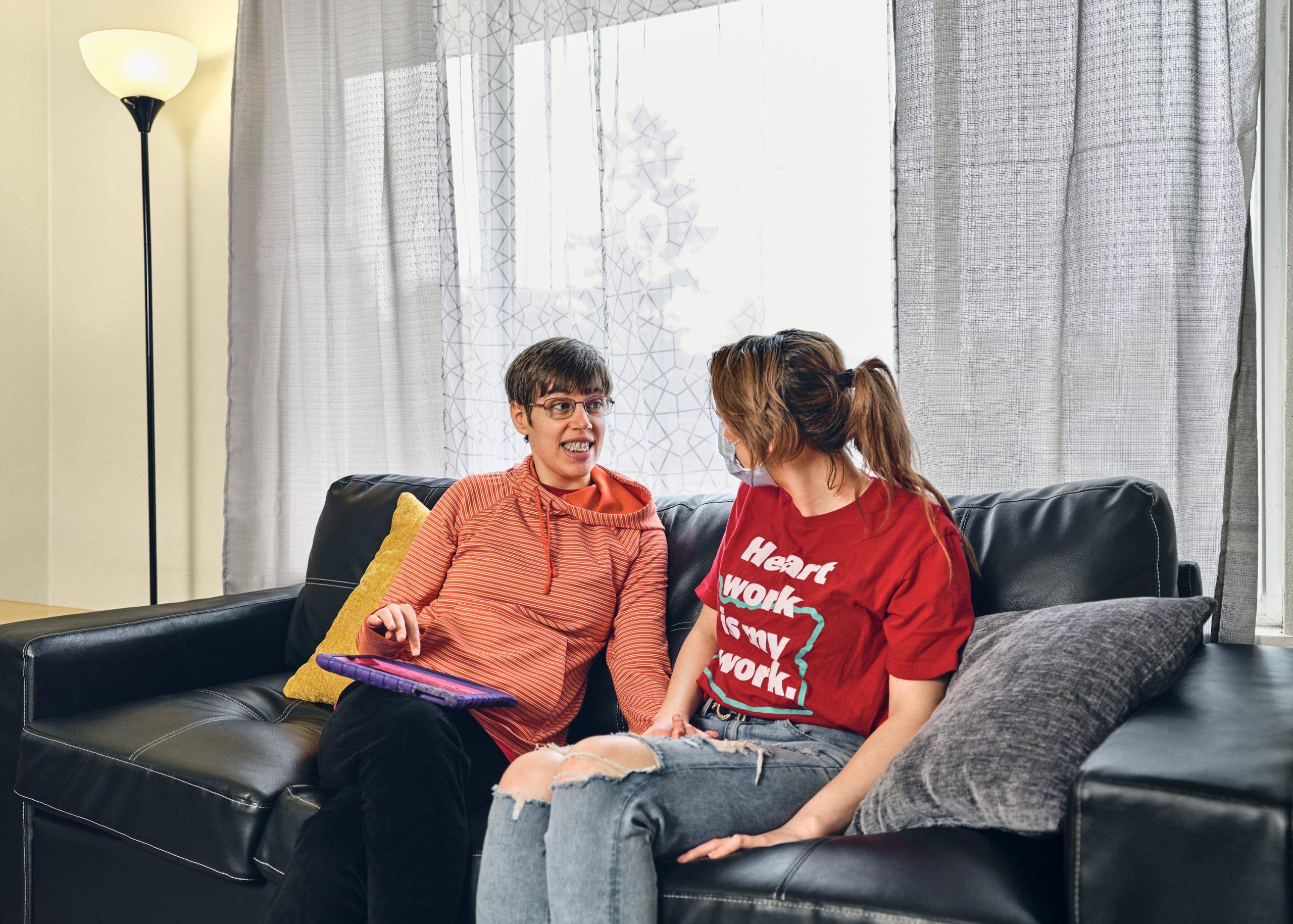
For children and youth who have experienced instability, trauma, or disrupted attachments, the environment they enter plays a critical role in their healing and development. While large-scale facilities may offer capacity, small residential care models — like those at MCITY Thrive — offer something far more impactful: connection, consistency, and individualized care.
What Is a Small Residential Care Model?
A small residential care model typically involves:
Fewer children in each home
Consistent, dedicated staff teams
A family-style living environment
Individualized care planning
This structure allows caregivers to move beyond supervision and into meaningful engagement with each child.
Why Size Matters in Care
Children don’t just need a place to stay — they need to feel known.
In larger environments, it can be difficult to provide:
Consistent one-on-one attention
Strong relationship-building opportunities
Tailored behavioural and emotional support
Smaller homes, by contrast, make it possible to:
Notice subtle changes in mood or behaviour
Respond quickly and appropriately
Build trust through daily interaction
Stronger Relationships, Better Outcomes
At the heart of effective care is relationship.
In a smaller setting, staff have the time and space to:
Learn each child’s personality, preferences, and triggers
Engage in regular, meaningful conversations
Provide consistent emotional support
These relationships help youth:
Feel safe and understood
Develop trust in caregivers
Build healthy attachment patterns
And those outcomes extend far beyond the home.
Personalized Care in Action
No two children are the same — and their care shouldn’t be either.
Small residential models allow for:
Individualized daily routines
Customized behaviour support strategies
Flexible approaches to learning and development
Instead of fitting children into systems, we adapt systems to fit the child.
A True Home-Like Environment
Environment shapes experience.
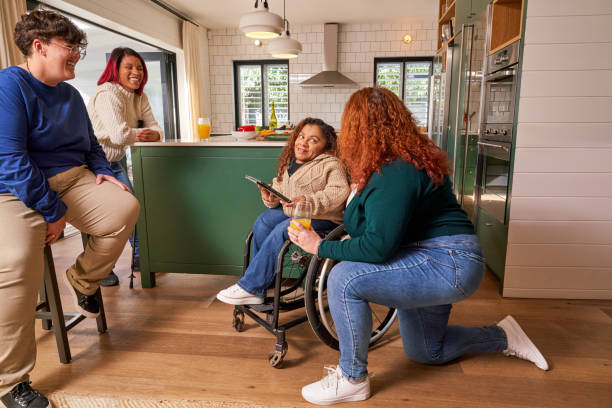
In a smaller residential home, youth are more likely to experience:
Shared meals around a table
Quiet spaces for reflection or study
A sense of belonging within a close-knit group
These are not just comforts — they are foundational elements of stability and emotional security.
Supporting Staff to Support Youth
Smaller settings also benefit the care team.
Staff are better able to:
Collaborate effectively
Maintain consistency in approach
Avoid burnout associated with high-volume environments
This leads to higher-quality care and stronger relationships across the home.
Long-Term Impact
The benefits of small residential care models are not just immediate — they are lasting.
Youth who experience:
Consistent support
Stable relationships
Individualized care
are more likely to develop:
Emotional resilience
Independent living skills
Positive social connections
Our Approach at MCITY Thrive
At MCITY Thrive, our small, intentional model is not a limitation — it is our strength.
We’ve designed our homes to ensure that every child:
Is seen as an individual
Receives focused attention
Builds meaningful relationships
Because real impact doesn’t come from scale — it comes from care that is personal, consistent, and human.
Final Thought
In residential care, the question isn’t how many children you can support at once.
It’s how well you can support each one.
At MCITY Thrive, that answer starts with keeping things small — so the impact can be big.
Similar Blogs
News, Voices & Impact
Explore updates, field notes, and stories that showcase our mission and impact.